
Loose-leash walking in five steps
Why dogs pull, and a five-step method that teaches yours to walk beside you without tugging.
In short
- Dogs pull because it works: it gets them where they want to go.
- A loose leash is what moves you forward; a tight one stops the walk.
- Reward your dog for being at your side, not for catching up.
- Practice somewhere dull first, then add distractions.
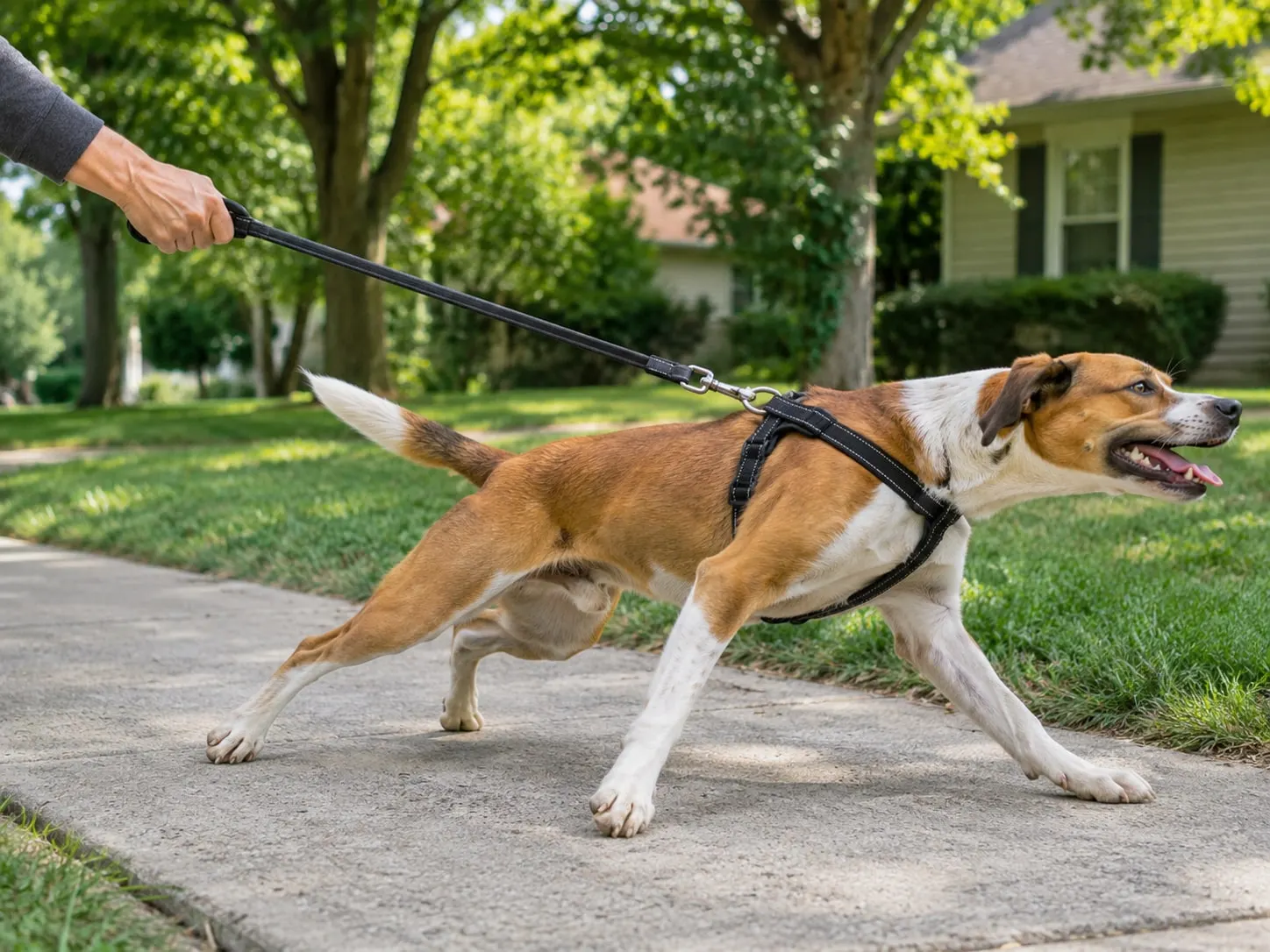
A walk with a dog who pulls is hard work. The good news is that pulling is simply a habit your dog has learned because it pays: tight leash, forward movement. Flip that around and most dogs catch on quickly.
The five steps
Start where it is boring
Begin in a hallway, yard or quiet street. Reward your dog for being beside you with a small food reward at your leg, so the best place to be is next to you.
Stop when it goes tight
The moment the leash tightens, stop and wait. Do not pull back. When your dog loosens the leash or looks back at you, say "Yes!", reward and walk on.
Change direction
If your dog drifts ahead, turn and go the other way. When they catch up, reward at your side. It teaches them to keep an eye on you.
Build in sniff breaks
Sniffing is a dog's favorite part of the walk. Use it as a reward: "Okay, go sniff!" after a stretch of good walking, so loose leash earns what they want.
Add distractions slowly
Practice near a few easy distractions at a distance, then closer as your dog succeeds. If they cannot manage it, go back a step instead of pulling them away.
Questions
How long until my dog stops pulling?
It depends on how long the habit has been rewarded and how consistent you are. Expect steady improvement over weeks rather than a switch overnight, and keep sessions short and successful.
Should my dog always walk at heel?
No. Loose-leash walking only means the leash stays loose. Many owners also teach a "with me" or heel position for busy moments, and let the dog sniff and explore the rest of the time.
General training and routine information from the Dogify team. It does not assess your dog or give advice about your dog's condition, and it is not a substitute for a qualified professional.
Related guides
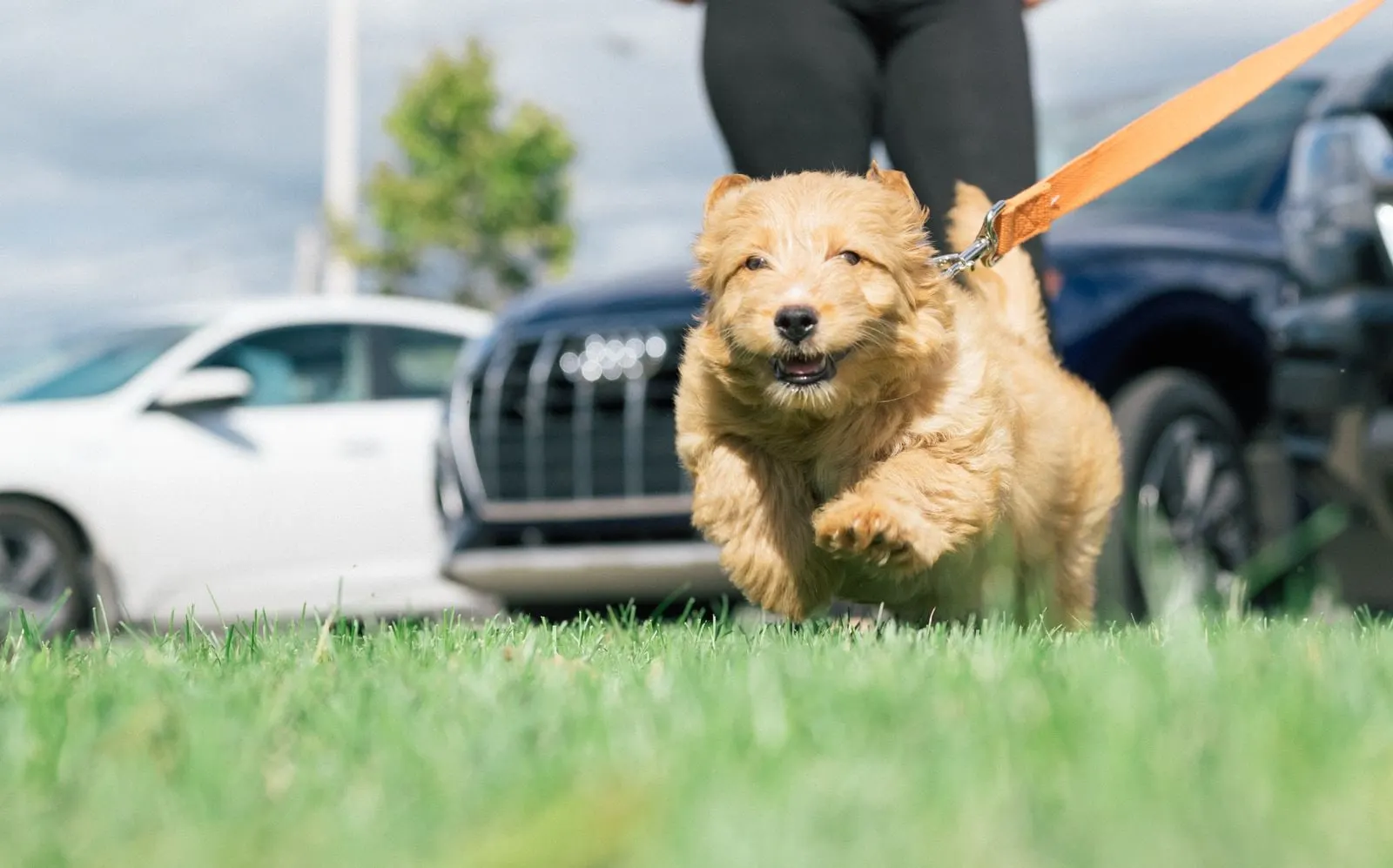
How to teach your puppy to come when called
A five-step recall plan that turns your dog's name into the best sound in the world, from the living room to the park.
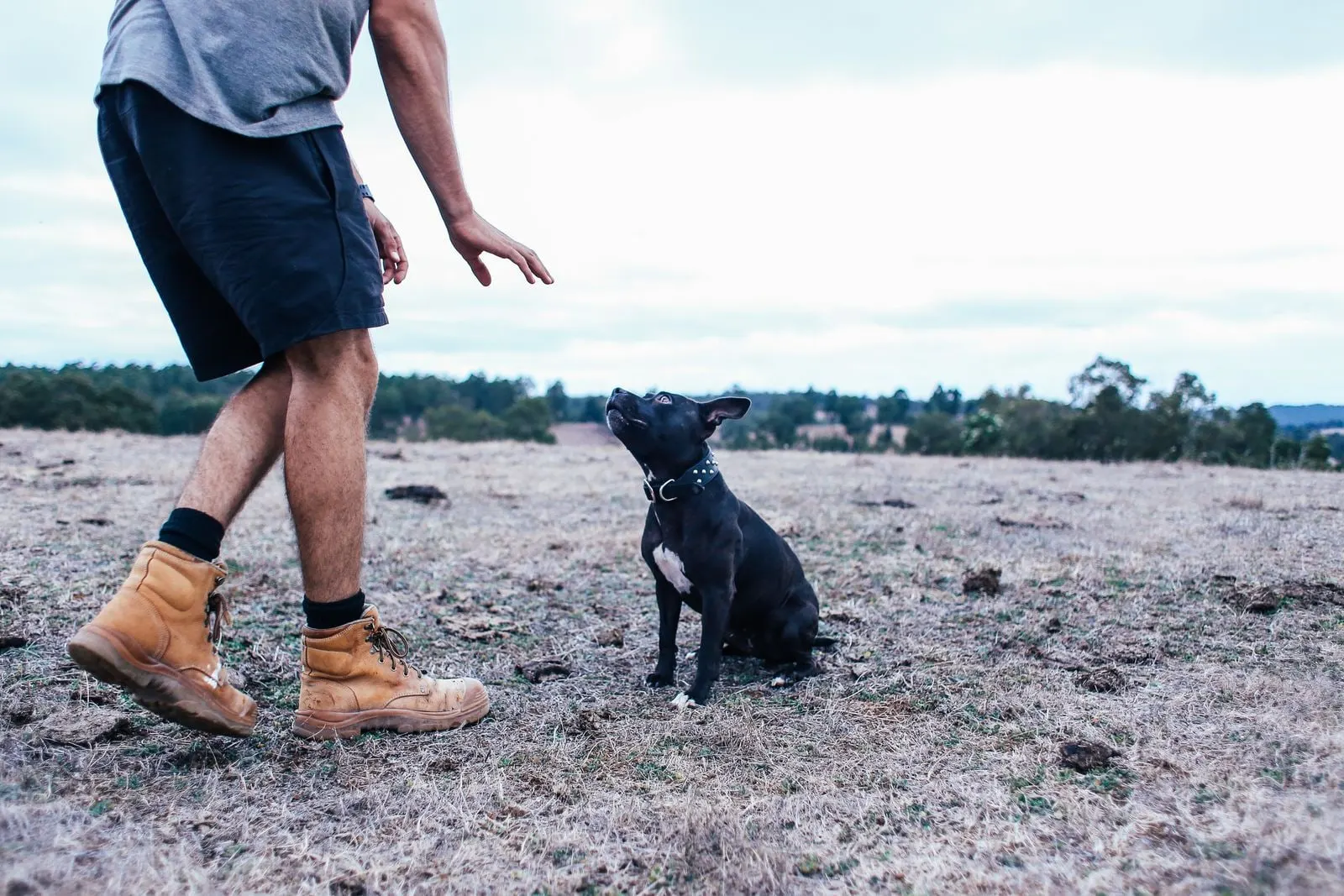
Sit, down and stay: the three foundation cues
How to teach the first three cues with a food lure, then make them reliable with the three Ds: duration, distance and distraction.
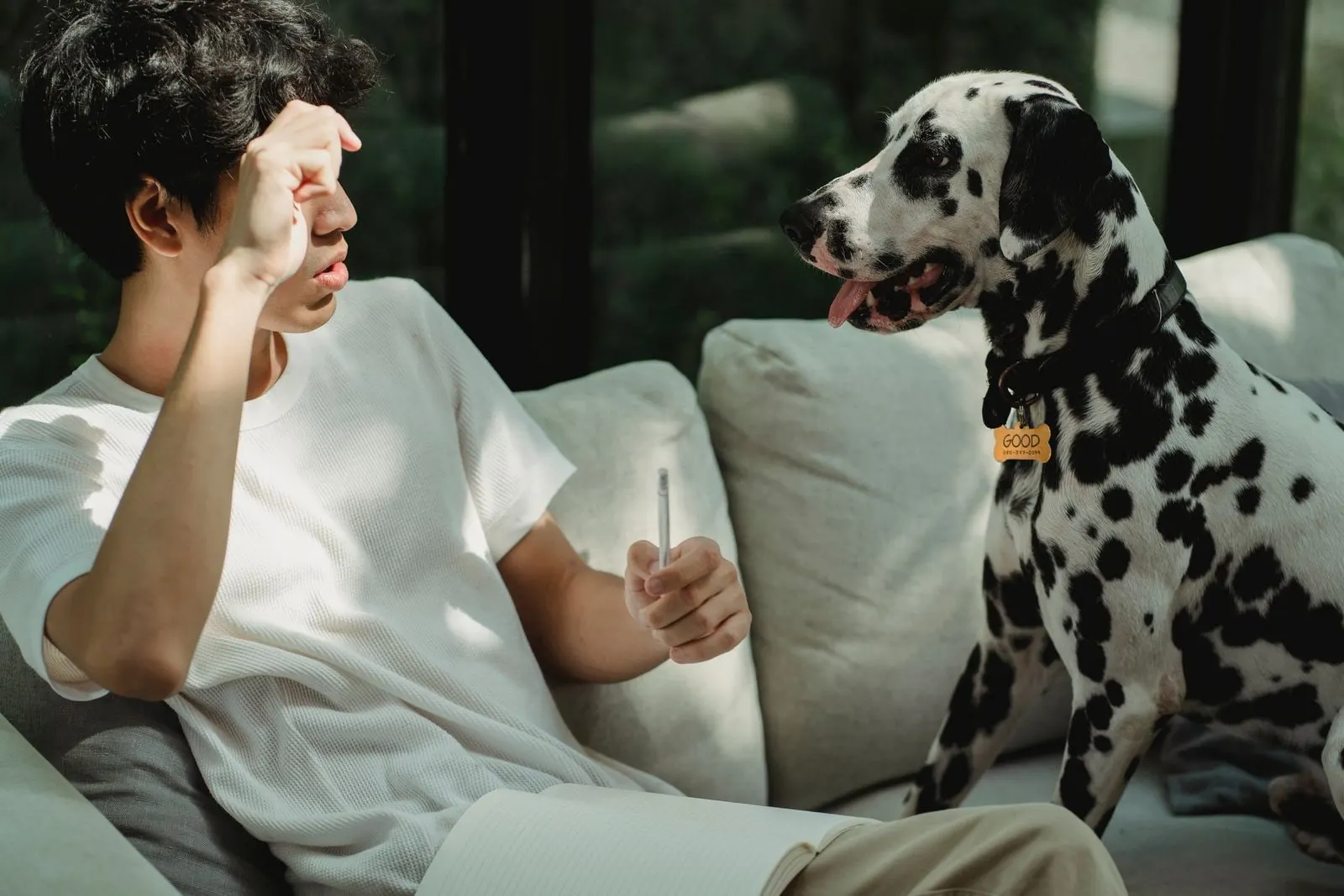
Seven training mistakes that slow your dog down
The most common reasons progress stalls, and the small changes that get a puppy or adult dog learning again.