
Seven training mistakes that slow your dog down
The most common reasons progress stalls, and the small changes that get a puppy or adult dog learning again.
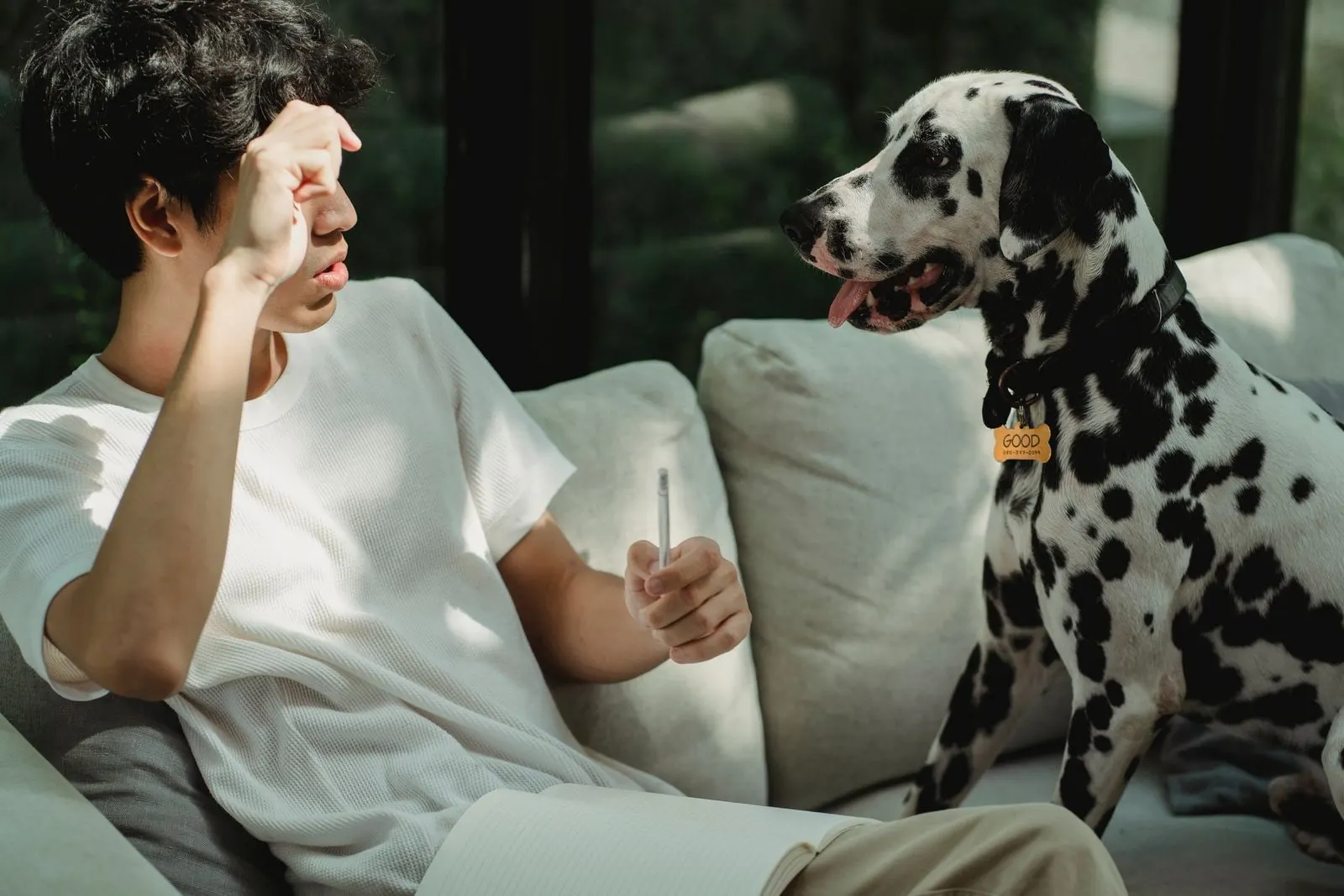
Photo · Pexels License · Pexels
In short
- Most stalls come from going too fast or rewarding too late.
- Short, frequent sessions beat long ones.
- Consistency across the family matters more than perfect technique.
- When something is not working, make the task easier instead of repeating it.
Almost every owner hits a plateau. The cue that worked in the kitchen falls apart in the park, or the dog who nailed it yesterday seems to have forgotten. It is rarely stubbornness. It usually comes down to one of these seven things.
The seven mistakes
Repeating the cue
Saying "sit, sit, sit" teaches your dog to wait for the third one. Say it once, wait a few seconds, and help if needed.
Rewarding late
A reward a few seconds after the behavior rewards whatever your dog did last. Mark the moment, then reward.
Going too fast
Adding distance, duration and distractions all at once breaks the skill. Change one thing at a time and go back a step if your dog struggles.
Sessions that run too long
Dogs learn best in short bursts. Several two- or three-minute sessions a day beat one long one. Quit while your dog is still keen.
Punishing mistakes
Scolding teaches your dog to be wary of you, not what to do instead. Make it easier and reward the right answer.
Inconsistent rules
If the couch is off limits on Monday and fine on Tuesday, your dog cannot learn the rule. Agree the rules as a household.
Training an overexcited dog
A dog who has had exercise, sniffing time and mental work learns better. Training a dog who is bursting with energy is an uphill battle, so play or walk first.
Questions
How do I know if my training is working?
Look for the behavior happening more quickly and more reliably, in more places. If it is not improving after a week or so of consistent practice, make the steps smaller or ask a qualified trainer to watch a session.
Is my dog just stubborn?
More often the dog does not understand yet, or the situation is too hard or too exciting. Going back a step usually fixes it.
General training and routine information from the Dogify team. It does not assess your dog or give advice about your dog's condition, and it is not a substitute for a qualified professional.
Related guides
Positive reinforcement explained: why reward-based training works
What reward-based training is, why timing matters and what a professional society for animal behavior says about the methods you choose.
How to teach your puppy to come when called
A five-step recall plan that turns your dog's name into the best sound in the world, from the living room to the park.
Teach your dog to settle on a mat
A calm default behavior you can use at the cafe, at meals and when guests arrive: how to teach "go to your mat" in short sessions.