
Teach your dog to settle on a mat
A calm default behavior you can use at the cafe, at meals and when guests arrive: how to teach "go to your mat" in short sessions.

In short
- A mat gives your dog a clear, rewarding place to relax.
- Reward stepping on, then lying down, then staying calm.
- Build duration slowly and reward calm with calm, quiet attention.
- Take the mat with you so the skill travels.
Most of what makes a dog easy to live with is the ability to switch off. A mat gives your dog a clear picture of what to do when you are eating, working or the doorbell rings: go there and relax. It is one of the most useful habits you can teach.
Teach it in four steps
Reward any contact
Put a small mat or towel on the floor. Whenever your dog looks at it, sniffs it or steps on it, say "Yes!" and reward on the mat.
Reward lying down
Wait for a paw or two on the mat, then reward for lowering to a down. If needed, lure once or twice, then wait for the position on their own.
Add calm and time
Reward in small installments while your dog stays relaxed: one second, three seconds, ten seconds. Move slowly and keep your voice quiet.
Name it and move it
Add the word "mat" or "settle" as your dog heads there. Then move the mat to other rooms, to a friend's house and to the cafe.
Questions
My dog will not stay on the mat. What should I do?
Shorten the time and the difficulty. Reward more often, and release before your dog gets up. If your dog is very excited, a short walk or play session first will help them settle.
How long should the mat sessions be?
Start with a minute or two, a few times a day, and slowly stretch the time as your dog gets better at relaxing.
General training and routine information from the Dogify team. It does not assess your dog or give advice about your dog's condition, and it is not a substitute for a qualified professional.
Related guides
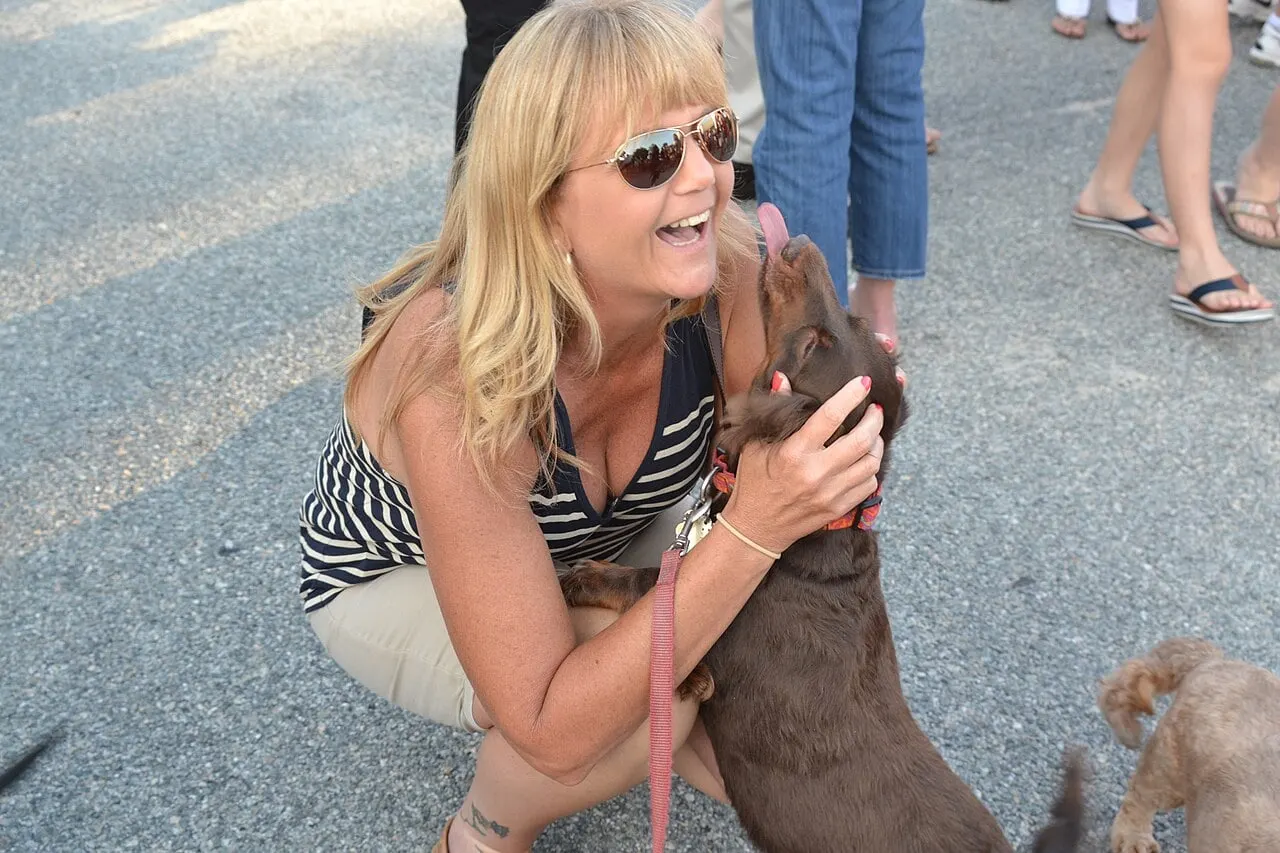
How to stop your dog jumping up on guests
Why dogs jump to greet, and a kind, practical plan that rewards four paws on the floor from the first hello.
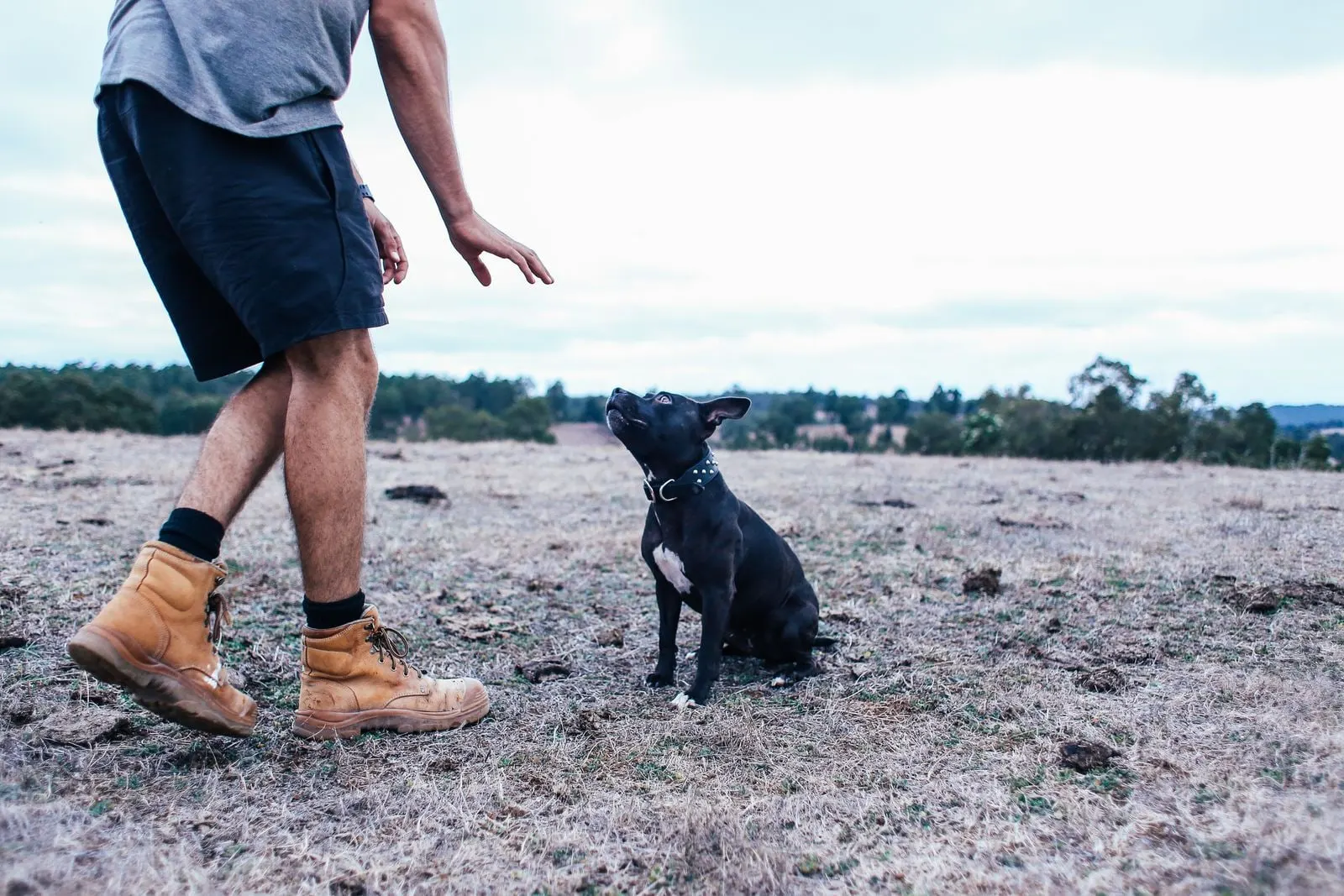
Sit, down and stay: the three foundation cues
How to teach the first three cues with a food lure, then make them reliable with the three Ds: duration, distance and distraction.

Seven training mistakes that slow your dog down
The most common reasons progress stalls, and the small changes that get a puppy or adult dog learning again.