
How to stop your dog jumping up on guests
Why dogs jump to greet, and a kind, practical plan that rewards four paws on the floor from the first hello.
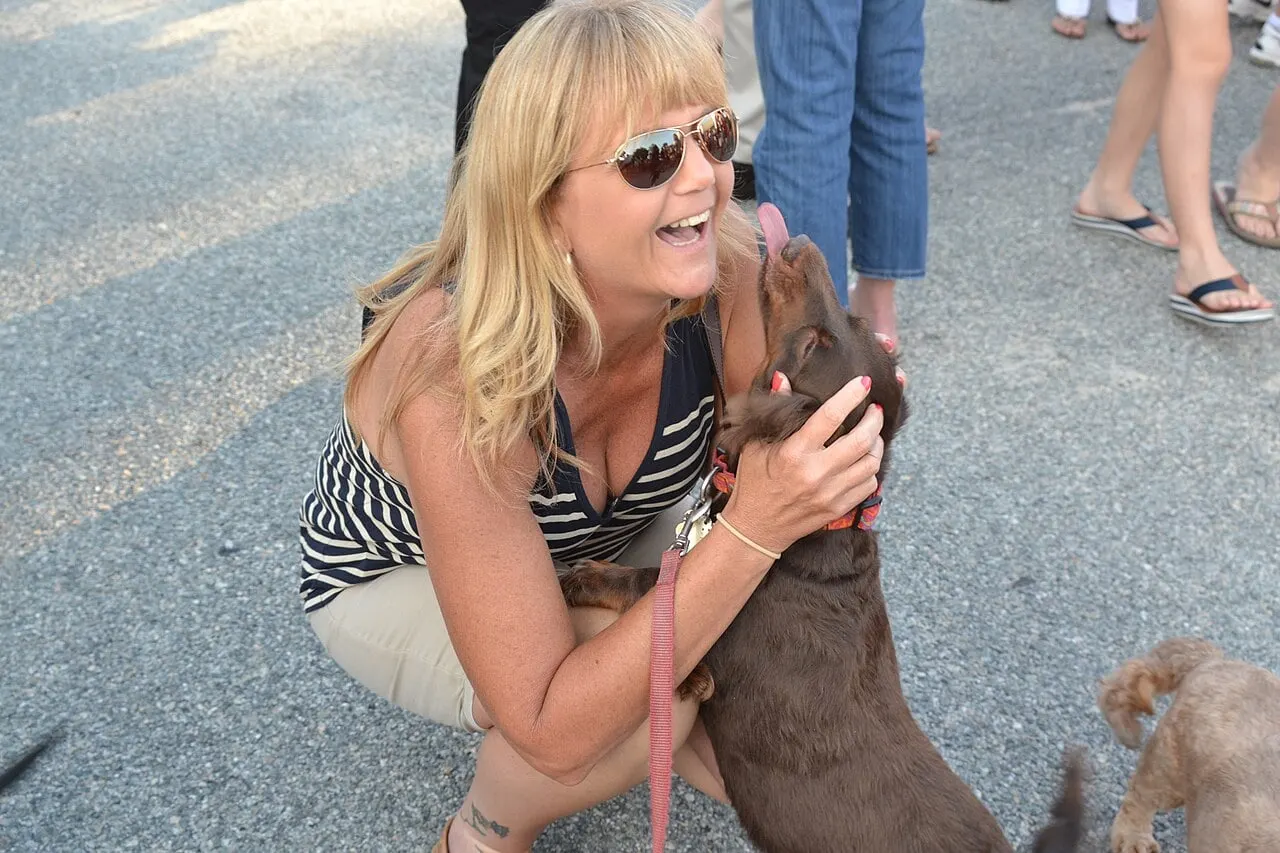
Photo: Tony Alter from Newport News, USA · CC BY 2.0 · Wikimedia Commons

In short
- Dogs jump because it works: it gets close to our faces and our attention.
- Reward four paws on the floor, and give attention only then.
- Manage the doorway with a leash or gate while the habit is changing.
- Brief your guests, because one person who rewards jumping can undo the work.
Jumping up is a greeting. Dogs want to reach our faces, and when we push them away, laugh or talk to them, they get attention. That makes it worth repeating. The way out is to make a different greeting worth more.
A plan that works
Decide what you want instead
Pick a replacement, such as sitting or standing with four paws on the floor. Practice it first without any visitors.
Reward the floor, not the jump
If your dog jumps, turn away and say nothing. The moment all four paws are on the ground, mark and reward, then give calm attention.
Ask for a sit before greetings
Say "sit" as visitors enter. Reward with a small food reward and then let the visitor say hello, while your dog stays seated.
Manage the door
Use a leash, a gate or a quick trip to the mat so your dog cannot practice jumping while you are still teaching the new habit.
Brief your guests
Ask visitors to ignore jumping and greet only when all four paws are down. Consistency from everyone is what makes it stick.
Questions
Should I knee my dog or push them away?
No. Pushing or kneeing is attention and can make jumping more exciting, and it can frighten some dogs. Turning away and rewarding four paws on the floor works better.
Why does my dog jump on some people and not others?
Dogs learn from what has worked before. If some people reward jumping with a laugh or a cuddle, your dog will keep trying with them. Everyone has to follow the same rule.
General training and routine information from the Dogify team. It does not assess your dog or give advice about your dog's condition, and it is not a substitute for a qualified professional.
Related guides

Teach your dog to settle on a mat
A calm default behavior you can use at the cafe, at meals and when guests arrive: how to teach "go to your mat" in short sessions.
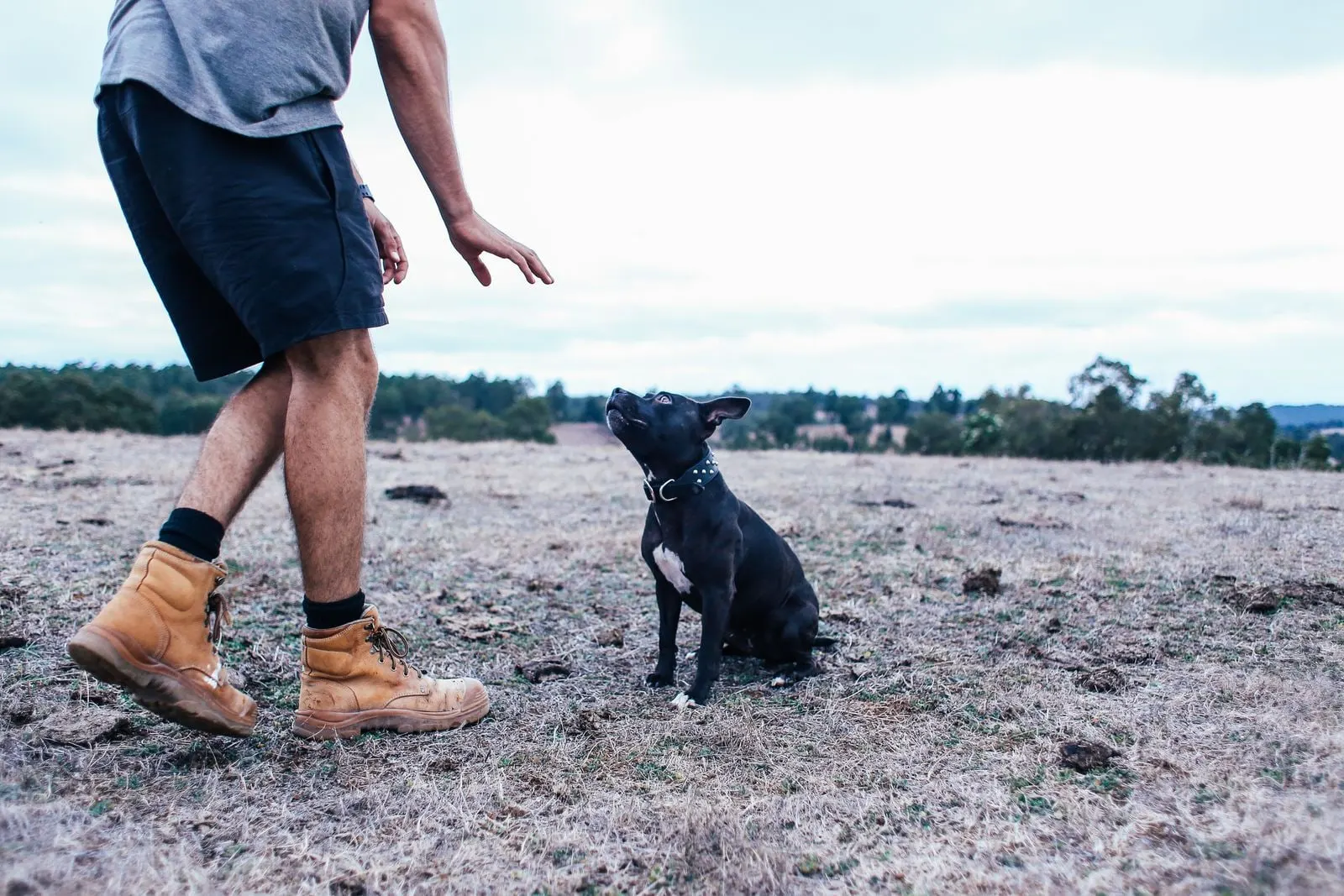
Sit, down and stay: the three foundation cues
How to teach the first three cues with a food lure, then make them reliable with the three Ds: duration, distance and distraction.
Seven training mistakes that slow your dog down
The most common reasons progress stalls, and the small changes that get a puppy or adult dog learning again.