
Positive reinforcement explained: why reward-based training works
What reward-based training is, why timing matters and what a professional society for animal behavior says about the methods you choose.
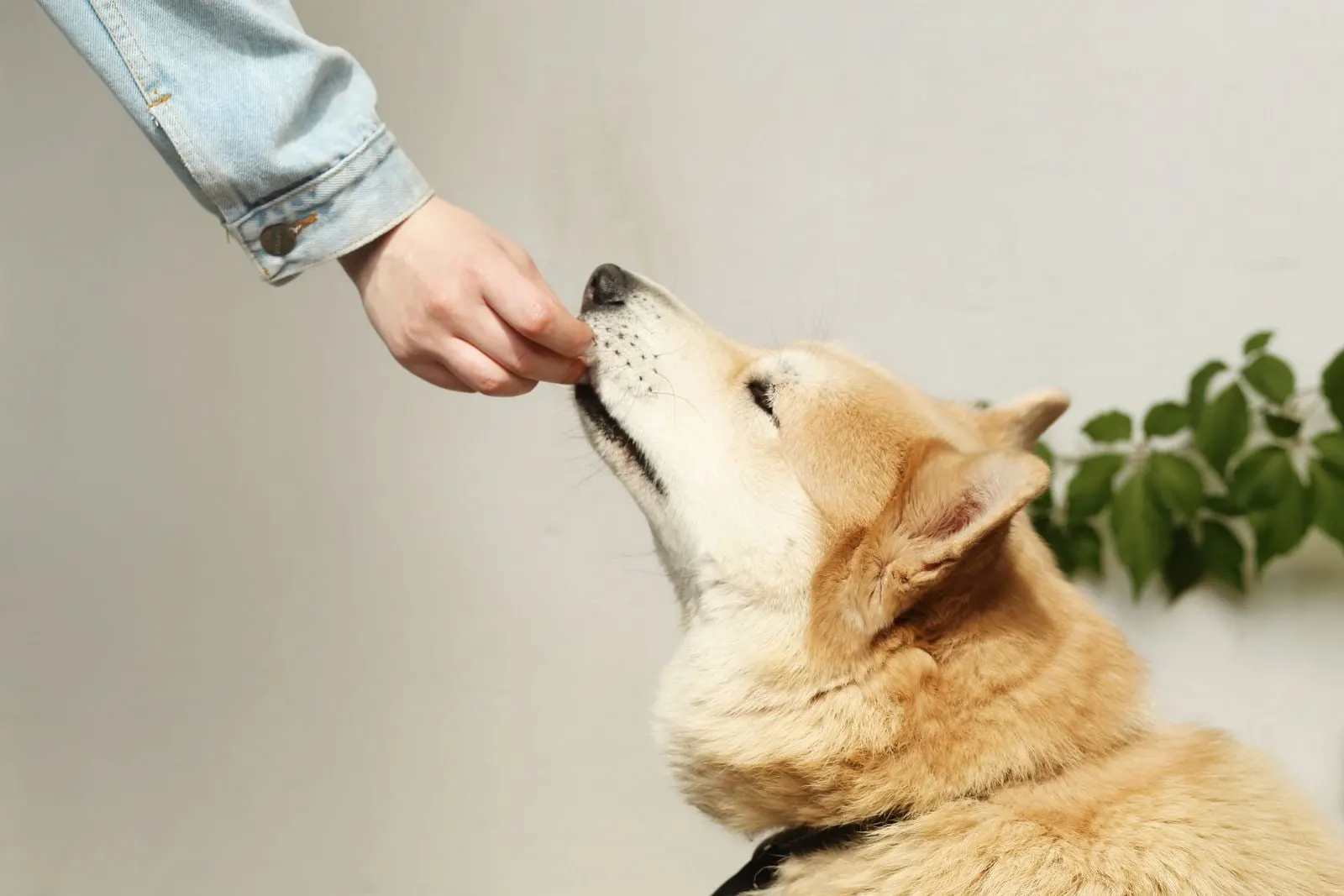
Photo · Pexels License · Pexels
In short
- Behavior that is rewarded is more likely to happen again.
- Timing is everything: reward within a second or two of the right behavior.
- A marker word such as "Yes!" tells your dog exactly what earned the reward.
- AVSAB, a professional society for animal behavior, recommends reward-based methods for all dog training.
Positive reinforcement means adding something your dog likes right after they do something you like, so they are more likely to do it again. It is the foundation of modern, force-free training, and it is how Dogify lessons are built.
The basics
Pick a reward your dog loves
Food, a toy, a game or praise: whatever your dog finds valuable in that moment. Rewards for hard tasks should be better than rewards for easy ones.
Mark the moment
A short word such as "Yes!" or a clicker tells your dog exactly which behavior earned the reward. Say it the instant they do the right thing, then deliver the reward.
Reward quickly and often
Dogs link rewards to what they were doing a second ago. Frequent rewards early on keep your dog motivated and learning fast.
Fade the rewards gradually
Once a behavior is reliable, reward less often and unpredictably, and mix food with toys, play and praise.
What the experts say
AVSAB, a professional society for animal behavior, published its Position Statement on Humane Dog Training in 2021. It says the evidence supports reward-based methods for all dog training, and that aversive methods, which rely on force or physical or emotional discomfort, should not be used. The techniques it lists to avoid include harsh tools (choke chains, prong collars, electronic shock collars), intimidation (such as shouting, staring or "alpha rolls") and physical correction such as leash jerking. It also reports that reward-based methods have been shown to be more effective than aversive ones.
Common worries
- "Is it bribery?" A bribe appears before the behavior to convince the dog. A reward appears after, to say thank you. You then fade the rewards.
- "Will my dog only work for food?" Not if you use a mix of rewards and slowly make them less predictable.
- "Does it mean no rules?" No. Rules are clear and consistent. The difference is that your dog learns them by being rewarded for the right thing.
Questions
What is the difference between a marker and a reward?
The marker is a signal, such as a word or a click, that says "that was it". The reward is what follows. The marker bridges the short gap between the behavior and the reward.
Can I use a clicker?
Yes. A clicker is a consistent marker some owners prefer. A short word such as "Yes!" works just as well if you say it the same way every time.
Source
General training and routine information from the Dogify team. It does not assess your dog or give advice about your dog's condition, and it is not a substitute for a qualified professional.
Related guides

Seven training mistakes that slow your dog down
The most common reasons progress stalls, and the small changes that get a puppy or adult dog learning again.
How to teach your puppy to come when called
A five-step recall plan that turns your dog's name into the best sound in the world, from the living room to the park.

Sit, down and stay: the three foundation cues
How to teach the first three cues with a food lure, then make them reliable with the three Ds: duration, distance and distraction.