
How to teach your puppy to come when called
A five-step recall plan that turns your dog's name into the best sound in the world, from the living room to the park.
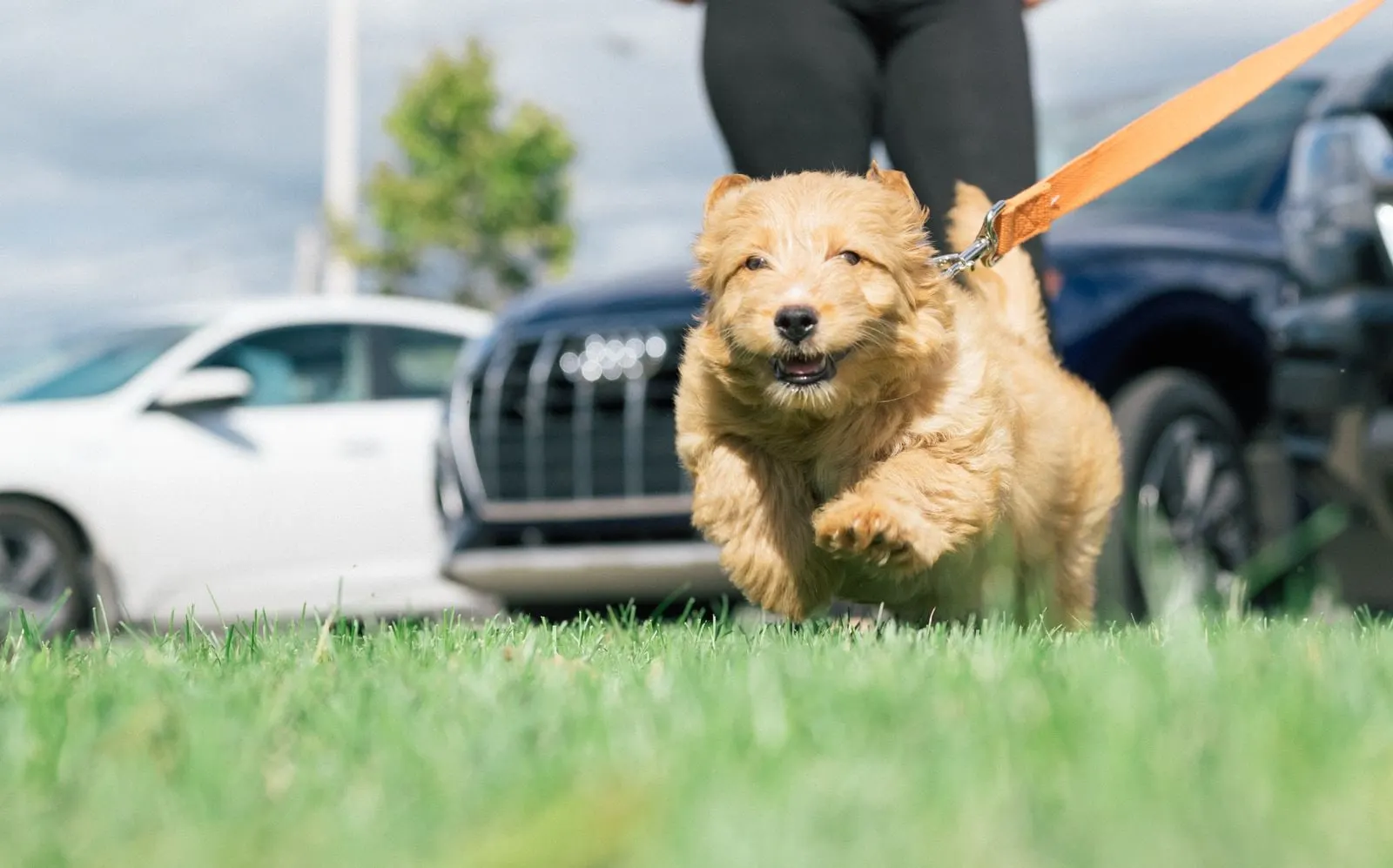
Photo: Chris F · Pexels License · Pexels
In short
- Start indoors, a step or two away, and add distance slowly.
- Reward every single recall at first, and make arriving feel like winning.
- Never call your dog to end the fun or to something unpleasant.
- Use a long line outdoors until the cue holds around distractions.
Coming when called is the cue that matters most for safety and for your peace of mind. It is also one of the easiest to damage: every time "come" means "the fun is over", your dog learns to think twice. The plan below builds the opposite, a cue that predicts the best thing that happens all day.
Pick one word and one great reward
Choose a short word such as "come" or "here" and use it only for this. Use a reward your dog really loves, small enough to swallow in a second: tiny soft food rewards, or a few seconds of a favorite game. Save the very best rewards for recall only.
Teach it in five steps
Start close and indoors
Stand one or two steps away in a quiet room. Say your dog's name, then the cue once, in a bright voice. The moment they turn to you, say "Yes!" and reward.
Make arriving a party
When your dog reaches you, reward generously: several small rewards in a row, a happy voice and a little praise. Arriving should feel like winning a prize.
Add distance
Move a few steps further each session. If your dog hesitates, go back one step. After two or three successes in a row, add a little more distance.
Add the real world
Move to the yard, then a quiet street, then busier places, changing one thing at a time. Use a long line (15 to 30 feet, or 5 to 10 meters) so your dog can practice without rehearsing running off.
Keep paying
Reward every recall for the first few weeks, then reward less often while keeping your biggest rewards for the hardest calls, such as when your dog leaves something exciting to come to you.
When it goes wrong
- Your dog ignores you. You probably moved too fast. Go back to an easier place and rebuild.
- Your dog runs the other way. Do not chase, because a chase is a wonderful game. Turn and move away, crouch down and sound happy, so they chase you.
- Your dog arrives late. Reward anyway. Scolding a dog that finally comes teaches them that arriving is unpleasant.
Questions
At what age can I start?
From the day your puppy comes home. A minute or two at a time, several times a day, is plenty.
How long until it is reliable?
It depends on your dog, the distractions and how often you practice. Indoors it usually clicks first. Around big distractions it takes weeks of regular practice, so keep a long line on outdoors until then.
Should I use my dog's name or the cue first?
Either works if you are consistent. Many owners say the name to get attention, then the cue once. Avoid repeating the cue over and over, because it teaches your dog to wait for the third or fourth one.
General training and routine information from the Dogify team. It does not assess your dog or give advice about your dog's condition, and it is not a substitute for a qualified professional.
Related guides
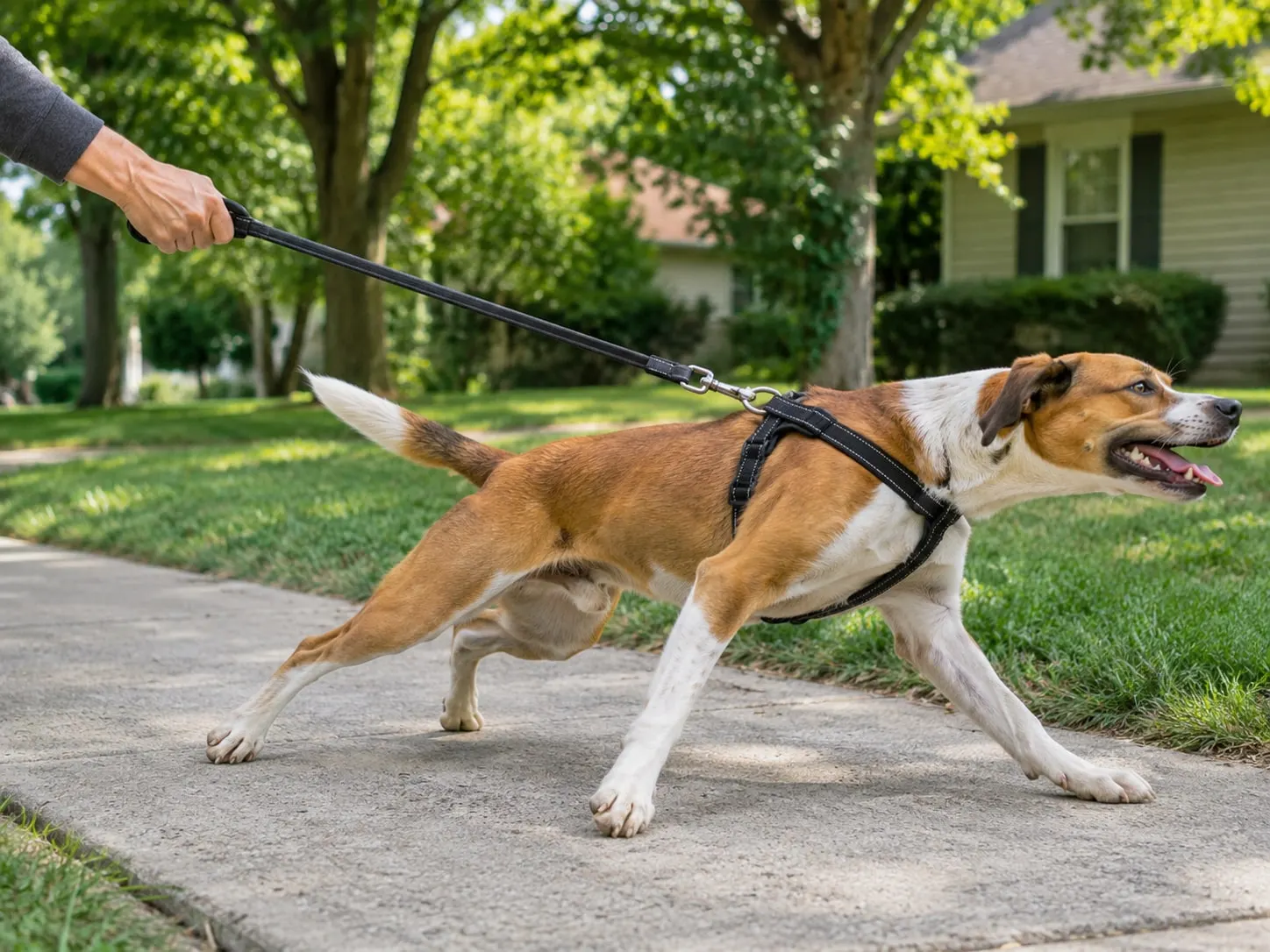
Loose-leash walking in five steps
Why dogs pull, and a five-step method that teaches yours to walk beside you without tugging.
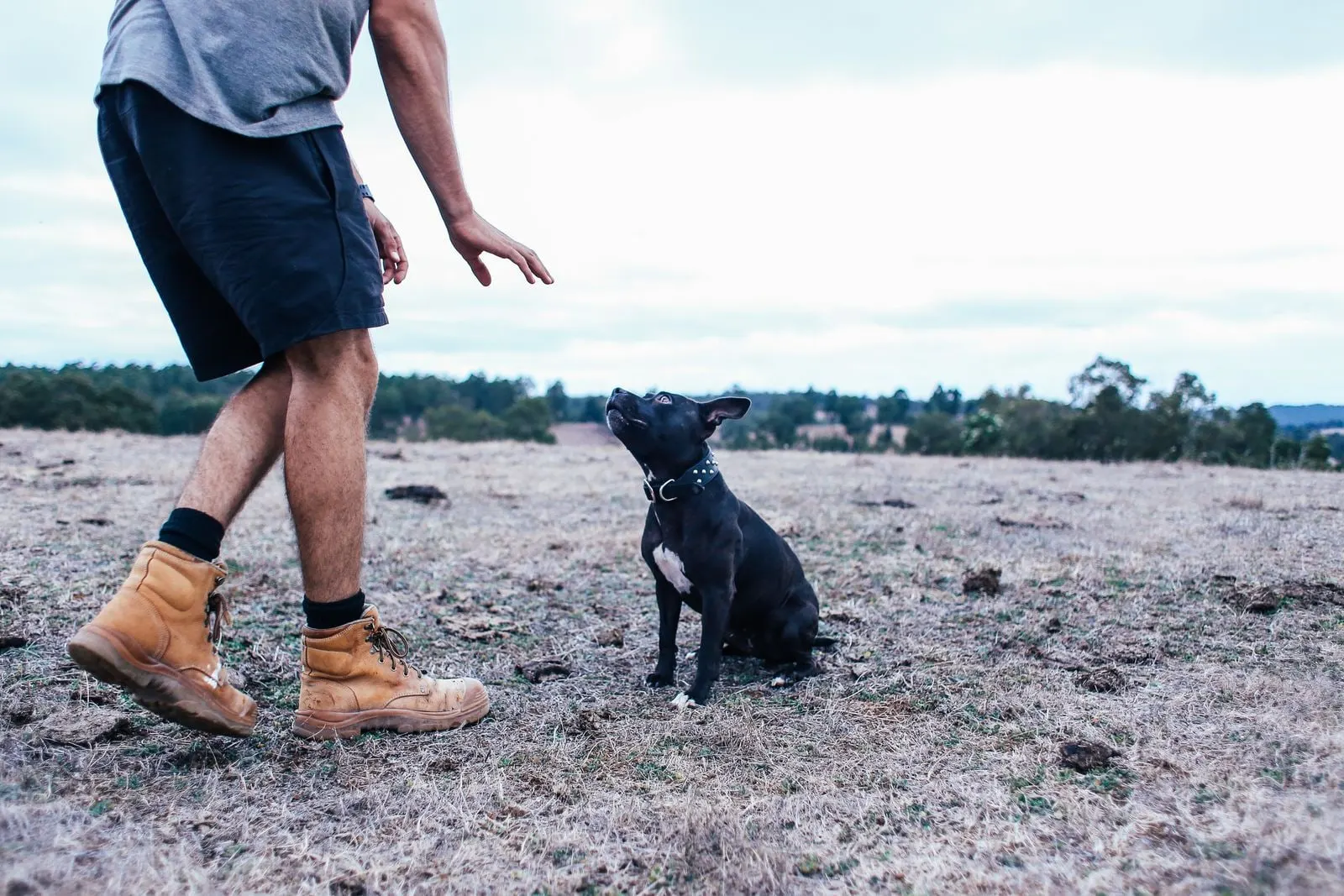
Sit, down and stay: the three foundation cues
How to teach the first three cues with a food lure, then make them reliable with the three Ds: duration, distance and distraction.
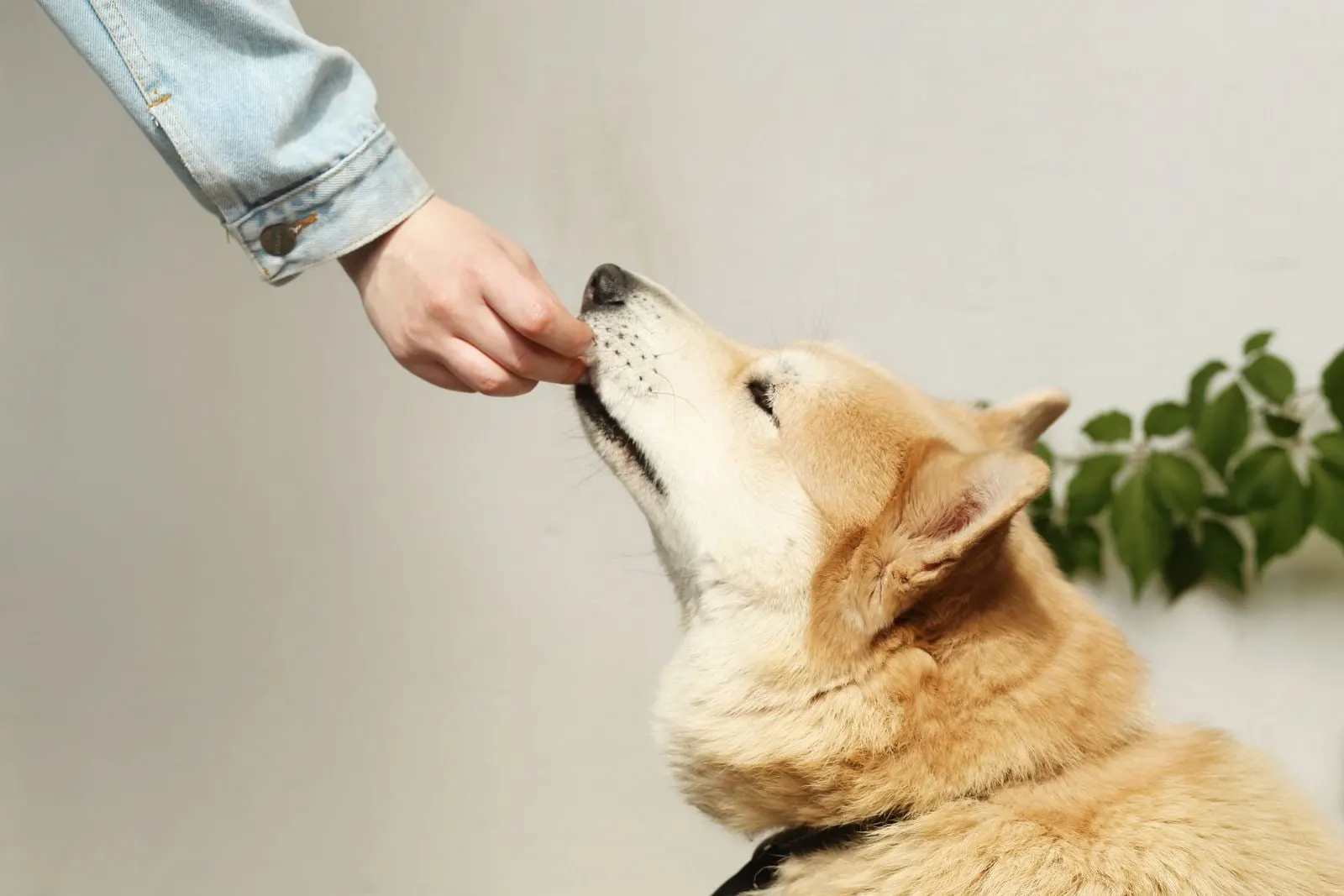
Positive reinforcement explained: why reward-based training works
What reward-based training is, why timing matters and what a professional society for animal behavior says about the methods you choose.